
Idiopathic Generalized Epilepsy (IGE)
Idiopathic generalized epilepsy (IGE) is a common diagnosis, affecting 15-20% of all patients with epilepsy. Patients with IGE characteristically have one or more types of generalized seizures, including generalized tonic clonic (grand mal), absence (staring spells or momentary lapses in awareness), and myoclonic jerks (brief, involuntary muscle spasms). Treatment of IGE begins with medications, but 20-30% of patients do not find satisfactory seizure control with medications alone.
For patients with IGE who continue to suffer from seizures despite trials of 2 or more medications, surgery may be an option. As implied in the name, IGE is a form of generalized epilepsy, meaning that it affects the entire brain. Because the entire brain is affected, some of the surgeries used historically for other forms of epilepsy - laser interstitial thermal therapy and temporal lobectomy, for example - are not appropriate. In other words, because the seizure network in IGE involves the entire brain, a surgeon cannot (should not!) try to cut it out or burn it.
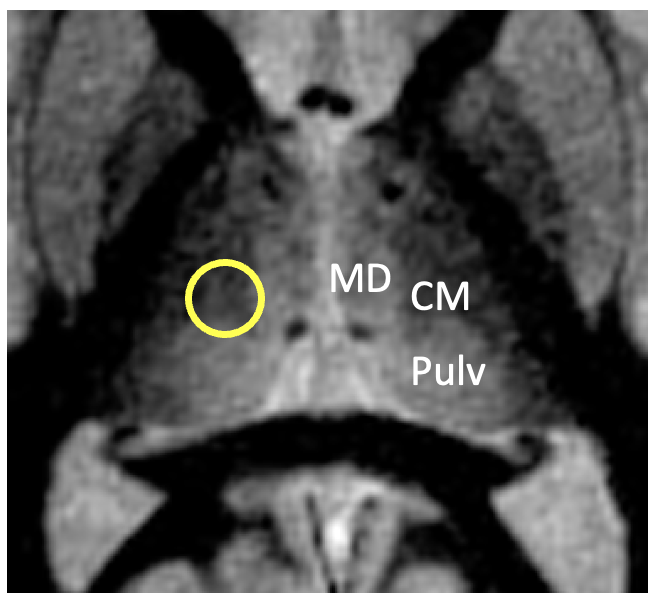
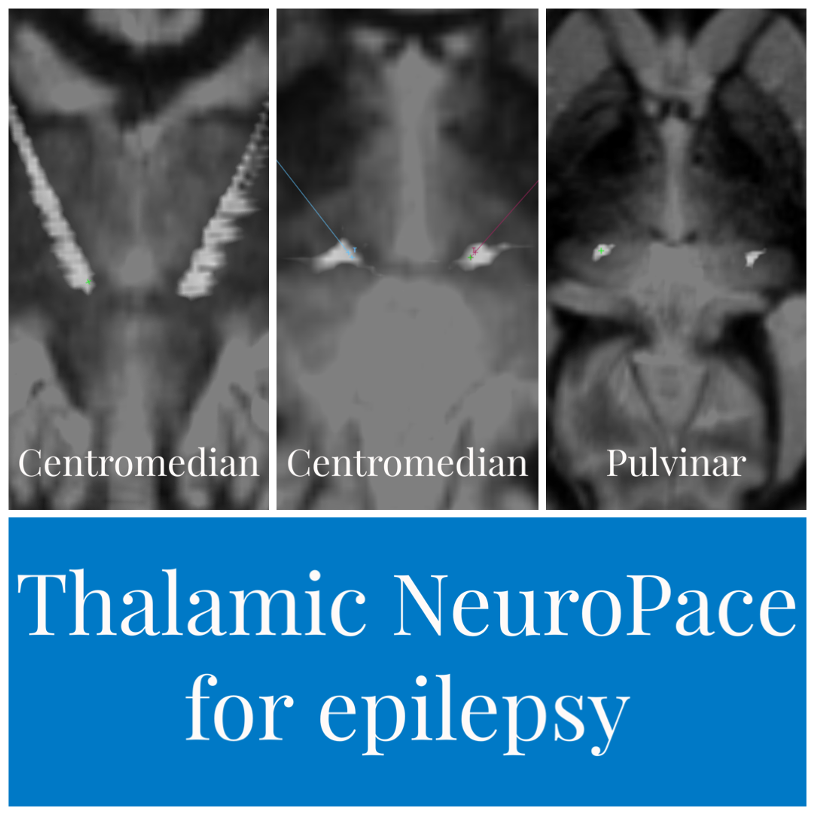
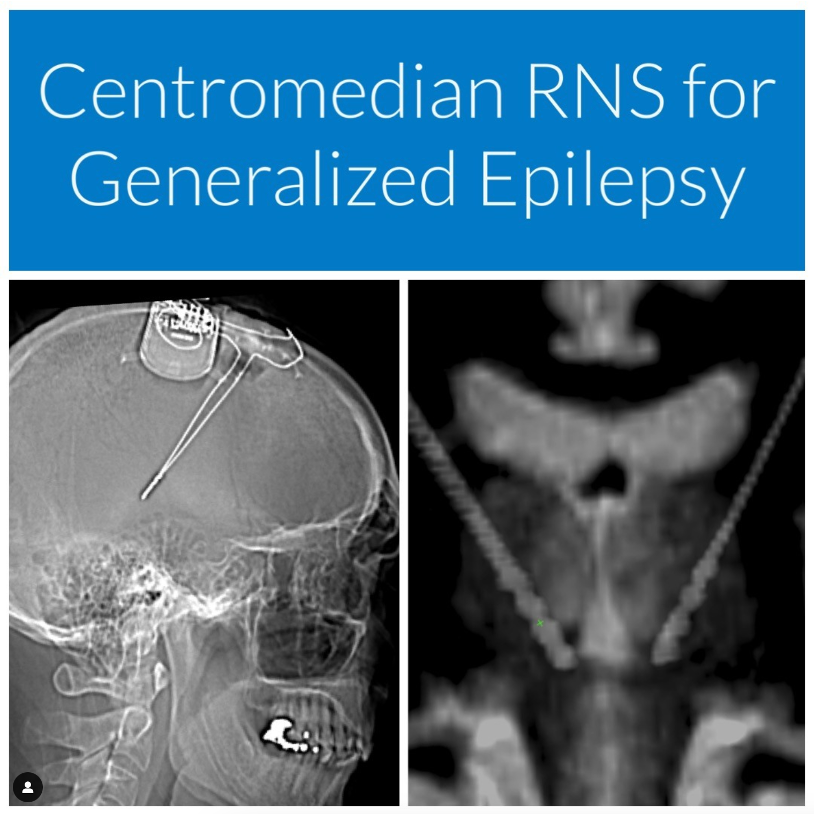
In 2026, results were published from a groundbreaking clinical trial for IGE called NAUTILUS, demonstrating that a particular form of surgery can be dramatically beneficial. In the NAUTLIUS trial, IGE patients were treated with a surgical implant called RNS (also referred to as NeuroPace). RNS functions like a pacemaker for the brain, detecting seizures when they happen and automatically delivering painless, imperceptible electrical pulses to stop them. Over time, patients with RNS have fewer and fewer seizures. RNS has been used in the US for focal (partial onset) epilepsy since 2013.
At 18 months, patients in the NAUTILUS trial reported a 77% reduction in generalized tonic clonic (grand mal) seizures and a 78% reduction in the number of days on which any seizures occurred, and 40% of patients were completely free of grand mal seizures. Other benefits observed in the trial included fewer injuries from seizures, quicker recovery from seizures, less need for seizure rescue medications, and improvements in quality of life.
I have extensive experience in RNS generally and in particular for IGE, having implanted the RNS system in IGE patients for years. Results from the NAUTILUS trial have validated what I have seen firsthand in my own clinical practice: patients with IGE usually have substantial improvement with RNS.
If you have IGE that is poorly controlled with medications, please consider scheduling a consultation to learn more about RNS and whether it might be an option for you. You can also click here to read my RNS guide for patients.